
Design of a small-scale real estate development project and amendments to the local zoning plan
ROLLBERGE Housing Development
2024–2026, Szczecin
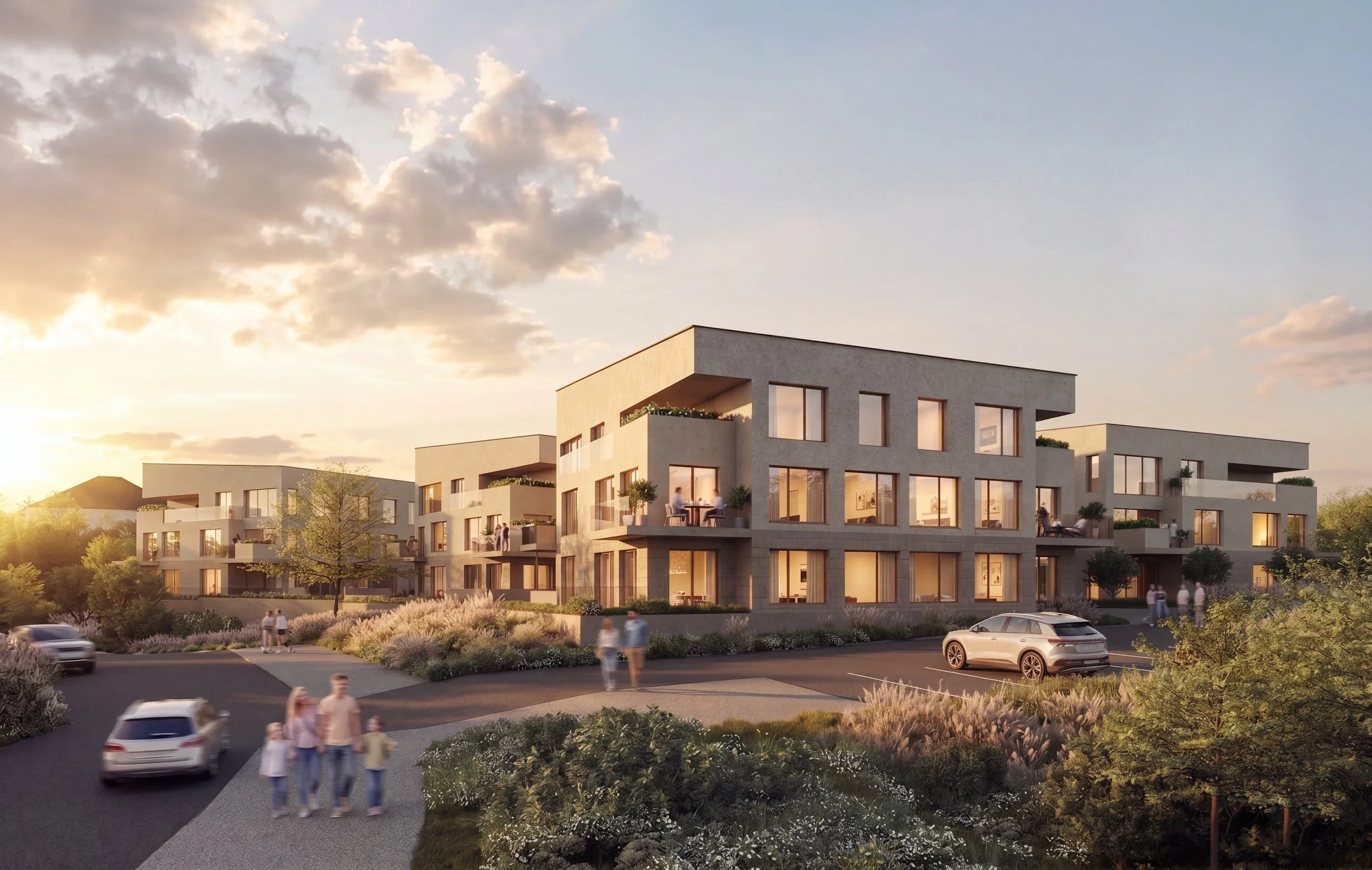
ROLLBERGE Residential Complex | An intimate development project in Szczecin-Warszewo. The project complies with the local zoning plan and is being built on a plot in the Warszewo district—near Arkoński Forest, surrounded by mature greenery and complete urban infrastructure.
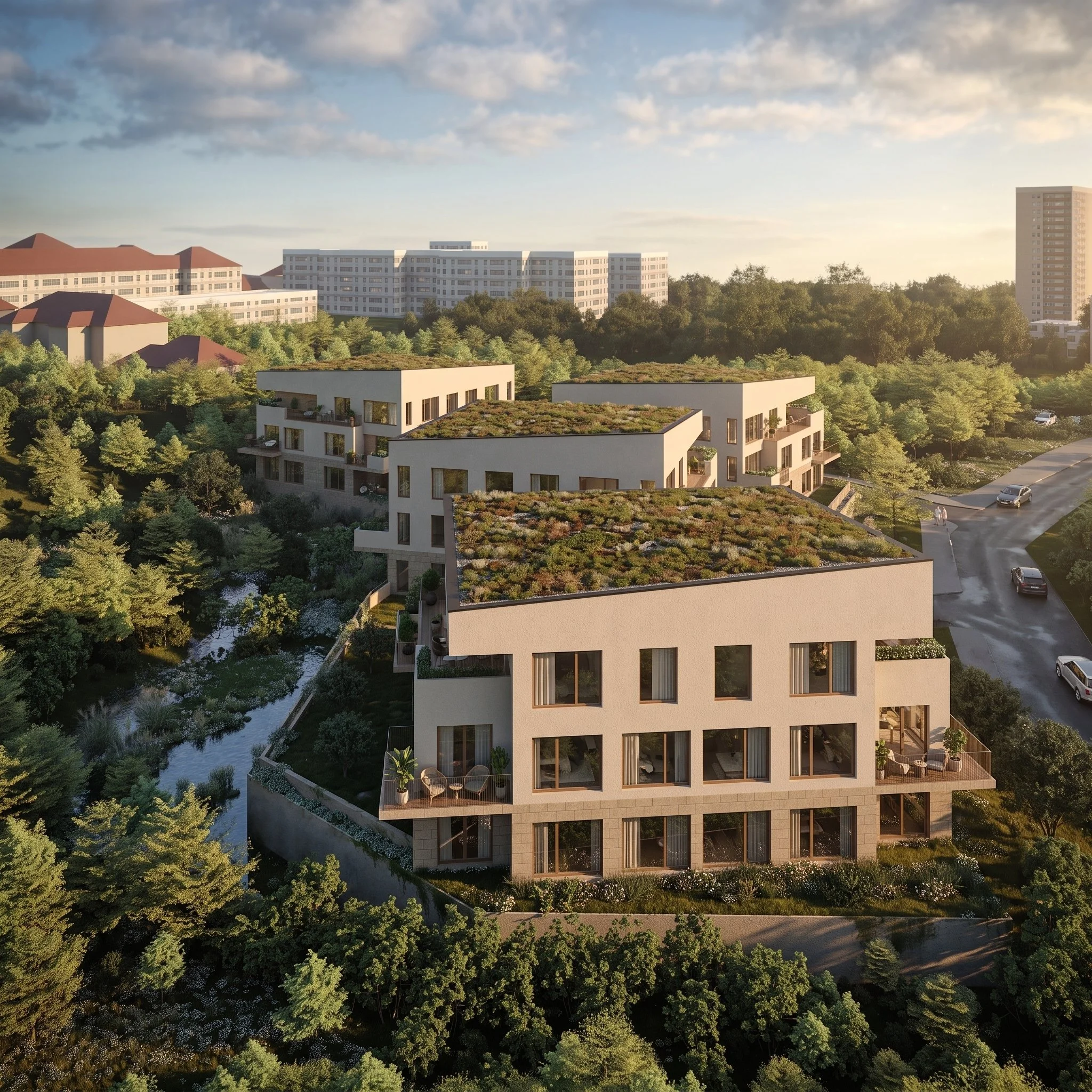
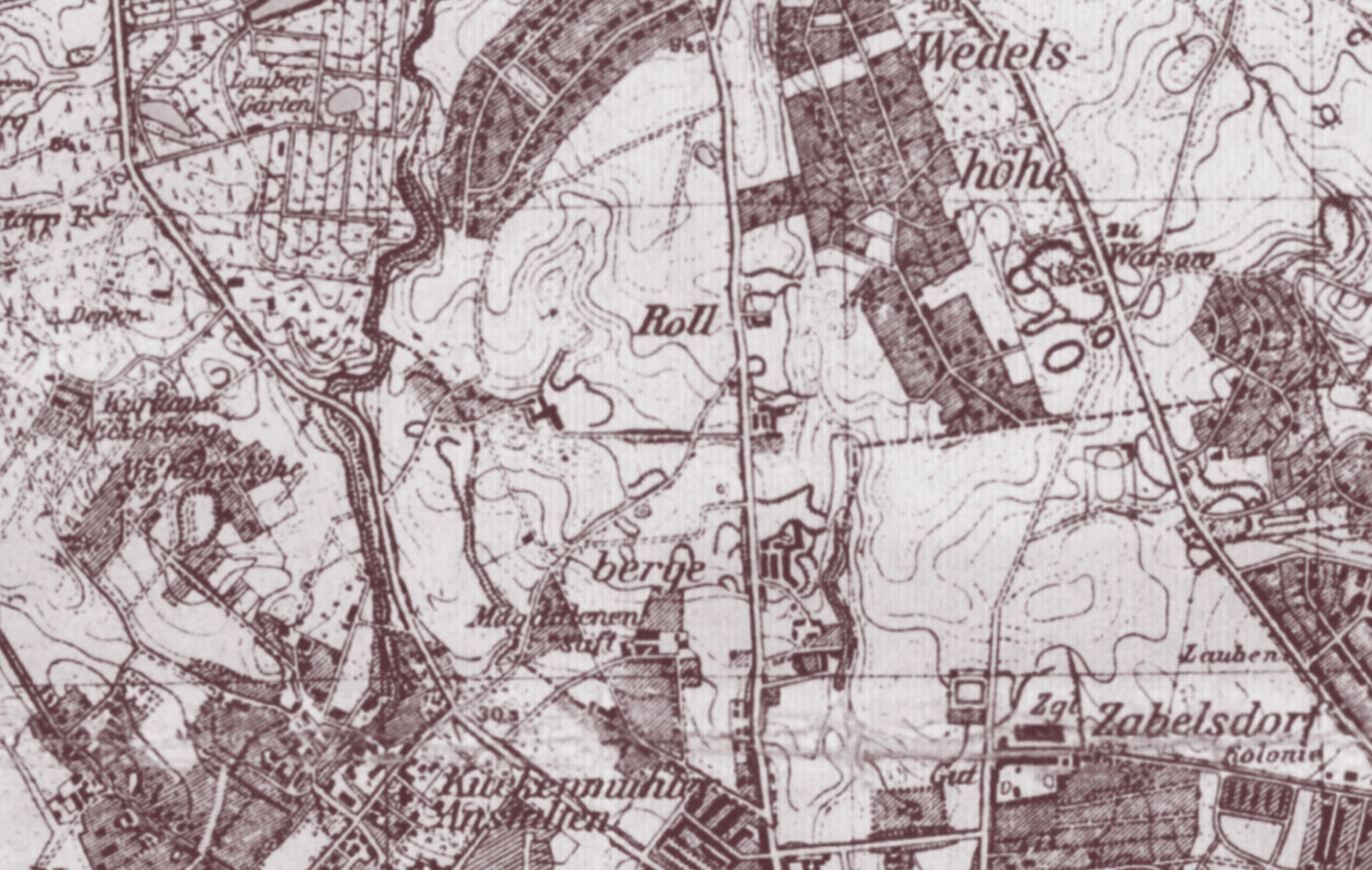
Nestled among the treetops and surrounded on all sides by nature, the plot is located on the site of an old brickyard, one of eight operating in the early 20th century in the Niebuszewo district of Szczecin. These brickyards served the needs of the rapidly expanding city of Szczecin in the early 20th century.
The historical name of this area, Rollberge, inspired us to use it as the name for this development. The lot is surrounded by a well-developed urban environment, buildings, and extensive green spaces. The Warszewo district is fully developed—with schools, shops, public transportation, and recreational areas—and it is difficult to find new space here for high-density development.
Layout and Architecture
The four residential buildings are built on a shared foundation that houses a garage with a green roof. Vehicular traffic and parking have been completely removed from ground level—the area around the buildings is car-free. This solution is increasingly common in high-quality European developments.
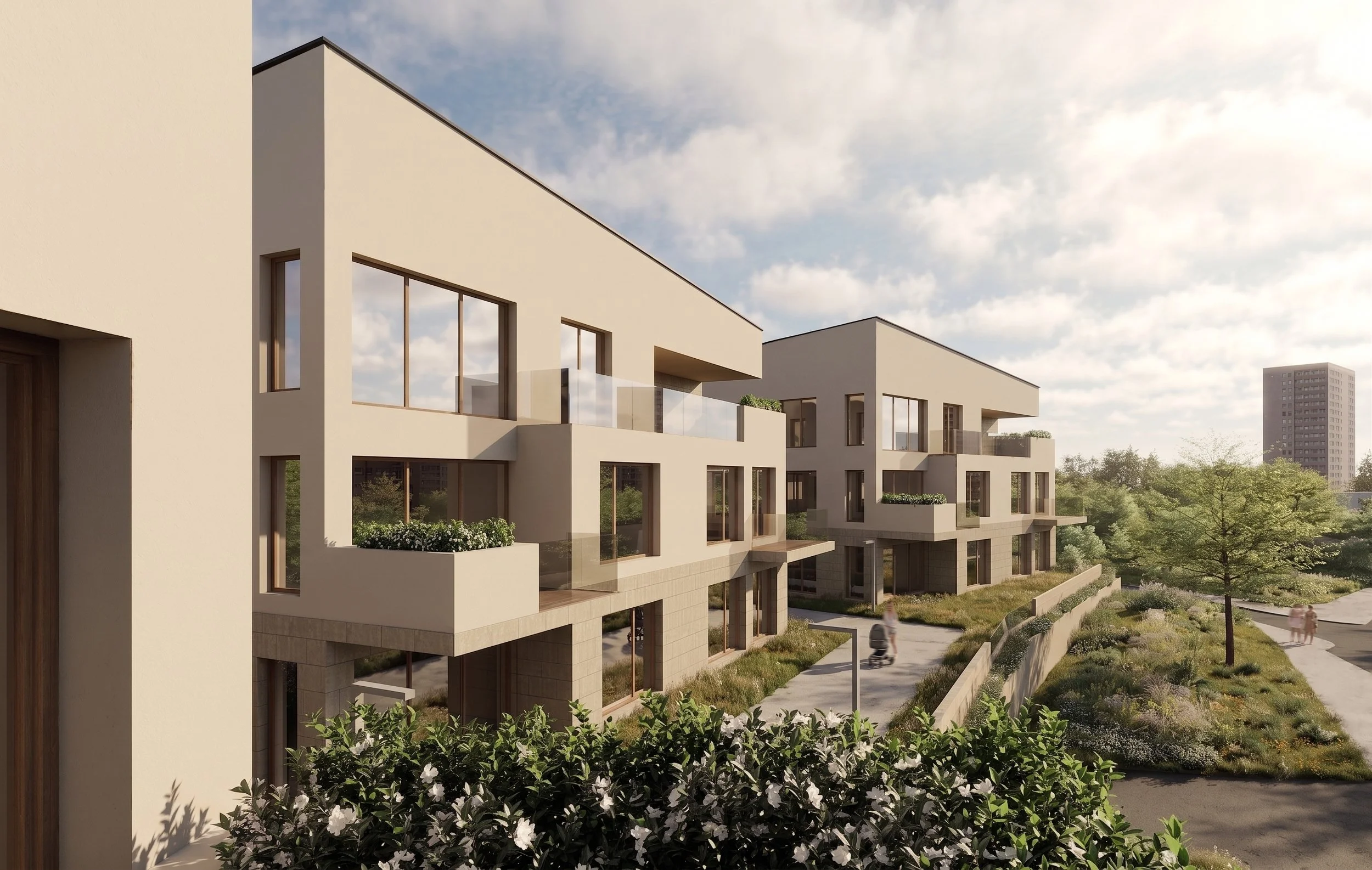
The buildings are arranged at various angles to one another and to the property lines—in accordance with the local zoning plan. Each building is oriented at a slightly different angle, which ensures views of green spaces from most of the apartments and eliminates any sense of cramped space.
Apartments
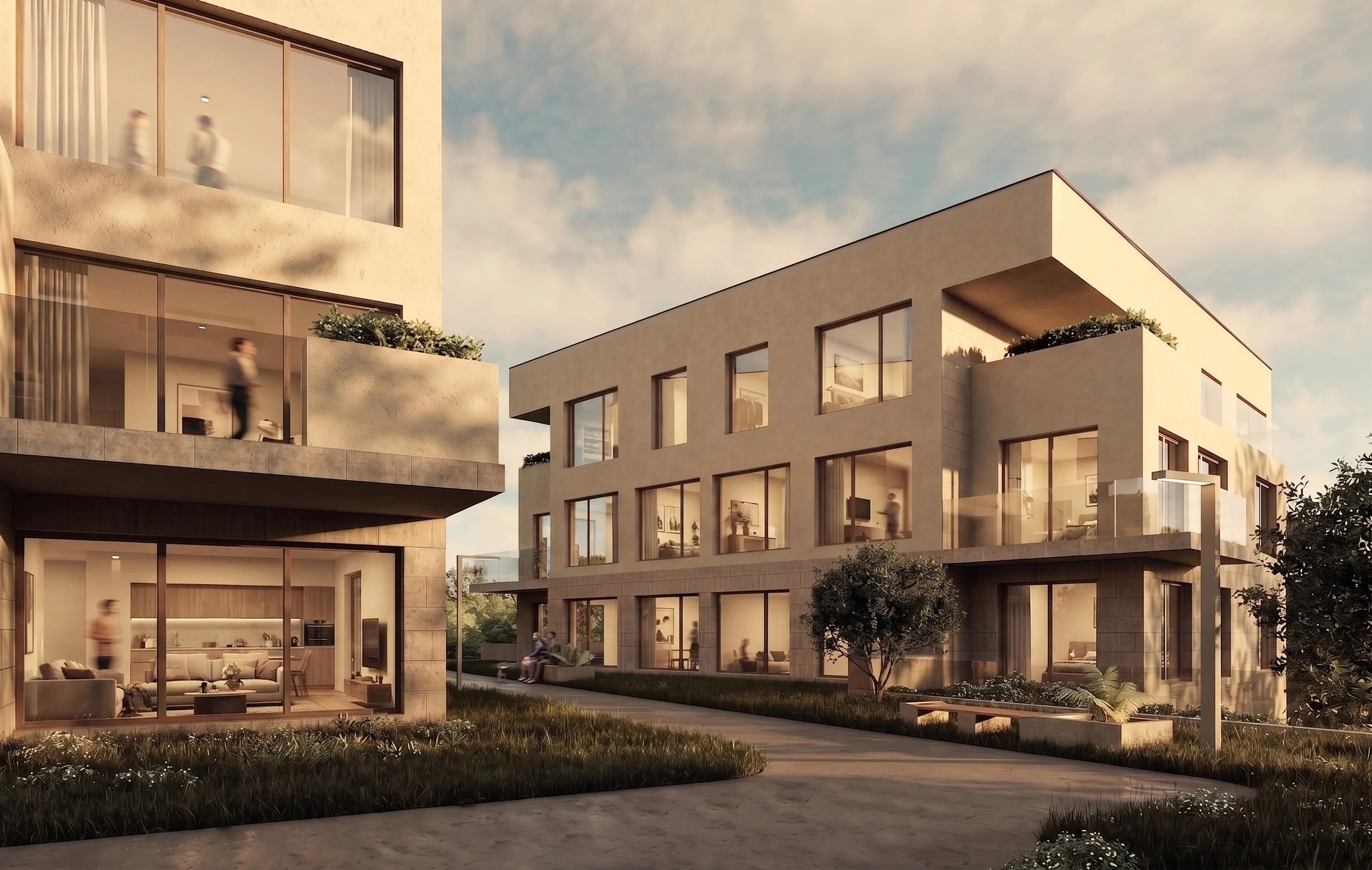
Each building houses a maximum of 12 apartments, emphasizing the intimate character of the development. Apartments have a minimum floor area of approximately 50 m² and can be combined in any configuration. Each apartment features a corner layout—two sides facing outward, good ventilation, and natural light from more than one side. The central location of the stairwell ensures quick and efficient access to every floor.
The ground-floor apartments have their own gardens, while those on the upper floors feature terraces or loggias. Every apartment has an outdoor space. The building’s attics are spacious—they house technical equipment and utilities that are not visible from ground level—and the roofs are designed to accommodate solar panels.
Energy and thermal comfort
The development is designed with low operating costs in mind. The buildings are connected to the municipal district heating network or—depending on the final technical solutions—equipped with heat pumps. Both solutions eliminate the need for individual heat sources in the apartments, reduce heating costs, and meet the standard increasingly demanded by investors in the high-end apartment segment. Photovoltaic panels on the roofs of the buildings complement the project’s energy balance.
An investment in the community
The provisions of the local zoning plan stipulate that the majority of the lot must be designated for a park and recreational areas. In response to these requirements, the developer decided to view this obligation not as a constraint but as an asset—the park space is designed to be accessible not only to residents of the development but to the entire neighborhood. Warszewo is gaining a new green space on the site of a former quarry.
The project also includes a new pedestrian crossing connecting Wiosny Ludów Street and Wieczorkowskiego Street—shortening the walking route between these streets will provide a tangible, everyday benefit for residents of the entire neighborhood.
Project: WL Investment
Location: Szczecin
type: intimate residential community
scope of the study: architecture, amendment to the Local Land Use Plan
years: 2024–2026
Gross floor area: 3,406 sq. ft.
Publications: -
awards: -
media: -
brands: -
visualizations: ATAW